Feb 04 2026

info@nikotech.store
03344474771
info@nikotech.store
03344474771
by Admin Feb 04, 2026
Urology, a branch of medicine that focuses on the urinary tracts of males and females, and the reproductive system of males, often requires precise interventions to address complex conditions. One such intervention is the Percutaneous Nephrostomy (PCN), which is vital for patients with certain urinary tract issues. This detailed article delves into what a PCN Procedure in Urology, its applications, the preparation involved, potential risks, and the recovery process, providing a comprehensive understanding of this medical procedure.
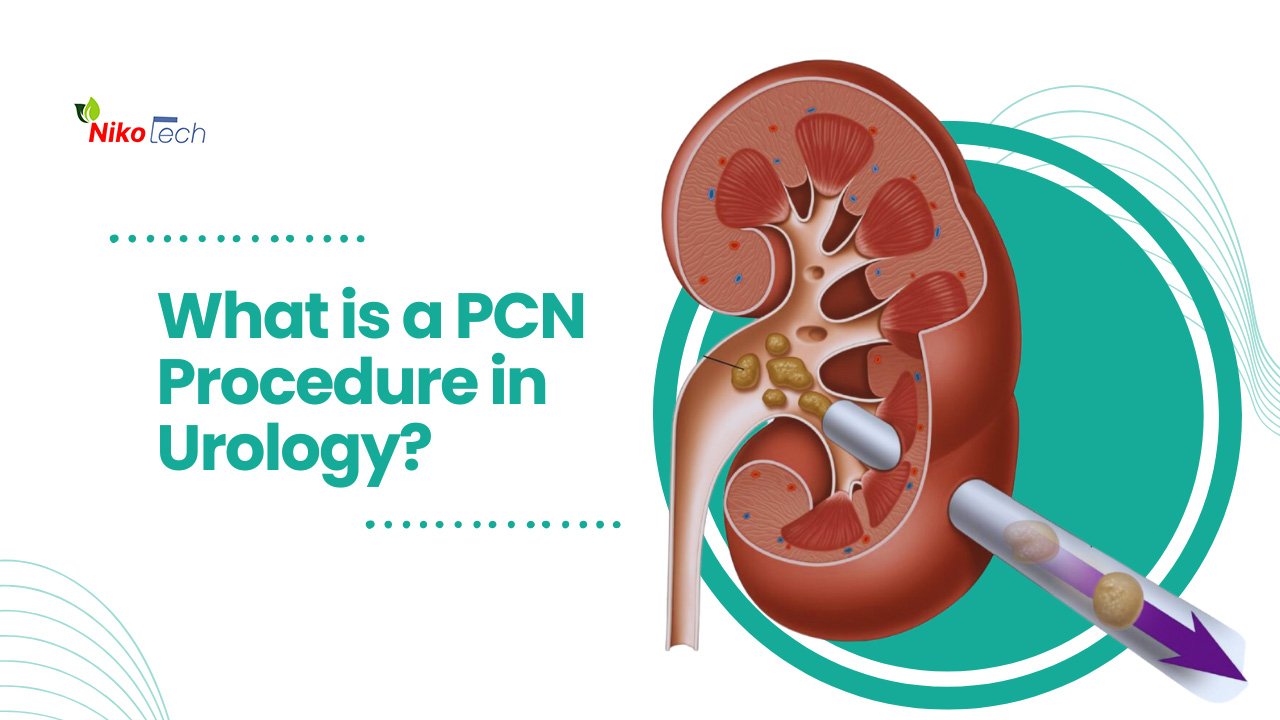
Percutaneous Nephrostomy (PCN) is a specialized medical procedure employed by urologists to ensure urine flow from the kidneys when normal flow is blocked. Blocks can arise due to various conditions such as kidney stones, tumors, or strictures in the ureter. PCN involves the insertion of a catheter directly into the kidney through the skin, bypassing any obstructions in the urinary tract. This procedure not only alleviates symptoms but also prevents further complications, such as kidney damage.
A Percutaneous Nephrostomy (PCN) is an essential medical procedure in the field of urology that is primarily indicated for relieving an obstruction in the urinary tract when less invasive treatments are ineffective or inappropriate. The procedure involves inserting a catheter directly into the kidney to bypass blockages in the urinary system, allowing for the drainage of urine directly from the kidney to the outside of the body. Here are some of the key indications for a PCN procedure:
The most common and critical indication for a PCN is an obstruction in the urinary tract that poses an immediate threat to kidney function. This can be due to a variety of causes:
PCN can also be used as a preparatory or adjunct procedure in various urological interventions:
Tumors within the kidney or those impinging on the urinary tract can lead to blockages. PCN provides a way to manage kidney function while awaiting more definitive treatment such as surgery, chemotherapy, or radiation:
In certain cases, infections or inflammation can lead to severe swelling, which in turn obstructs urine flow. PCN is used to manage such conditions:
In patients with advanced malignancies or other chronic conditions where surgical intervention is not feasible or desirable, PCN can provide significant symptomatic relief from the pain and discomfort caused by urinary obstructions.
Percutaneous Nephrostomy (PCN) is an invaluable procedure in urology, offering numerous benefits especially for patients experiencing obstructive uropathy where traditional pathways for urine flow are compromised. This intervention not only serves as an emergency relief but also as a strategic approach in the management of various urinary tract conditions. Here’s a closer look at the multiple benefits of undergoing a PCN procedure:
The primary benefit of PCN is the rapid alleviation of symptoms associated with urinary tract obstructions, such as:
A PCN can prevent several serious health complications associated with obstructed urine flow:
PCN is not only beneficial as a standalone procedure but also supports other medical interventions:
For patients who cannot undergo surgery due to medical reasons or where surgery has failed, PCN provides a viable long-term solution:
By managing the physical symptoms effectively, PCN significantly enhances the patient’s quality of life:
The PCN procedure is known for its flexibility and safety profile:
In summary, the PCN procedure provides essential benefits, from immediate symptom relief to long-term management of urinary tract conditions. Its role in preventing complications, supporting other medical treatments, and enhancing the overall quality of life makes it a critical option in contemporary urological practice. By ensuring ongoing kidney function and managing complications associated with urinary tract obstructions, PCN plays a pivotal role in both acute and chronic urological care settings.
Before a PCN procedure, thorough diagnostic assessments are crucial to determine the exact cause and location of the obstruction. These typically include:
Patients scheduled for a PCN procedure need to follow specific guidelines to ensure the safety and success of the procedure:
The PCN procedure is typically performed under local anesthesia and sedation, ensuring the patient remains comfortable. The steps include:
After the PCN tube is successfully placed, patients are monitored for any immediate complications, such as bleeding or infection. Monitoring includes:
No medical procedure is without risks. For PCN, potential complications may include:
Immediately following the procedure, patients might experience some discomfort, which can generally be managed with pain medication. It’s crucial to monitor the catheter output and ensure the
catheter remains secure. Instructions on catheter care and signs of complications will be provided before discharge.
For patients with a long-term PCN catheter, ongoing care is essential to prevent complications. This includes regular catheter changes, monitoring for signs of infection, and ensuring the catheter is functioning properly. Patients will also have regular follow-ups to assess the need for continued PCN or other interventions.
The PCN procedure is a testament to the advancements in medical technology and technique, providing a lifeline for patients with severe urinary tract obstructions. By understanding the nuances of this procedure, patients and their families can make informed decisions and prepare adequately for both the procedure and the recovery phase. With proper management, PCN can significantly improve quality of life and prevent serious kidney-related health issues.

Jan 10, 2026
Feb 04 2026
Jan 10 2026